Web Content By-Ball Agerskov
For a lot of individuals grappling with vision challenges, lens replacement surgery presents a beacon of hope, offering a pathway to clearer sight and improved quality of life. visit this hyperlink , countless patients choose this procedure not only as a solution for cataracts but also as a proactive measure for vision correction through options like refractive lens exchange. With technological advancements, the possibilities also grow the possibilities offered by custom lens replacement, which caters to a range of visual impairments and individual preferences.
In this article, we investigate the experiences of patients who have experienced lens replacement surgery, shedding light on their journeys from initial consultations to recovery milestones. We will explore the benefits, risks, and real-life results of this transformative procedure. Whether you're thinking about lens replacement for high prescriptions or wondering about candidacy requirements, you'll find important information and personal stories that inform your decision-making process. Join us as we explore everything you need to know about this effective vision correction option.
Grasping Clear Lens Exchange
Clear lens exchange, also known as refractive lens exchange, is a surgery aimed to enhance vision by replacing the eye's original lens with an artificial one. This procedure is especially beneficial for people with visual impairments that cannot be effectively addressed by conventional methods such as eyewear or lens wear. Patients often view this alternative as a way to attain clear vision and possibly reduce their need on corrective eyewear.
The operation consists of get rid of the eye's natural lens and inserting a top-tier intraocular lens, which can include multi-focal lenses or depth-enhancing lenses. This personalization allows the doctor to adapt the lens type to each patient's specific vision needs. find more of the key pros of lens replacement surgery is its ability to treat various vision conditions, including presbyopia, extreme myopia, and astigmatism.
Healing from lens replacement surgery differs depending on personal situations, but many patients notice enhanced vision soon following the operation. Understanding the potential benefits, disadvantages, and the time for recovery is important for anyone evaluating this surgery. Patients are cautioned to consult their candidacy with a certified doctor, who can provide advice into the process throughout the surgery and help assess if they are appropriate candidates for lens exchange.
Applicant Evaluation and Meeting Procedure
Prior to going through lens replacement surgery, candidates must undergo a thorough evaluation process. This first stage entails a comprehensive eye examination to assess the patient's sight, overall eye health, and specific refractive issues. The surgeon will take into account the patient's medical history, any pre-existing eye conditions, and the degree of their refractive error. This evaluation assists determine if the patient is an suitable candidate for lens replacement, such as refractive lens exchange or custom lens replacement.
Throughout the consultation process, patients can look forward to reviewing their vision goals and needs with their surgeon. The surgeon will explain the different types of lenses available, including premium options like accommodating lens implants or extended depth of focus lenses. This is also an ideal time for patients to raise concerns about the procedure, such as what to expect during surgery and the potential benefits and risks linked to lens replacement surgery. Understanding these factors is crucial for patients to make educated decisions about their vision correction options.
Subsequent to the consultation, if patients are deemed suitable candidates for lens replacement surgery, they will receive detailed information on the preparation for the procedure and the recovery timeline. This may consist of guidelines on pre-operative care, any necessary lifestyle adjustments, and the importance of planning follow-up visits to check healing. Addressing these aspects ensures that patients are fully equipped and confident moving ahead with their chosen vision correction path.
Recovery and Expected Results
The healing process after lens surgery varies from patient to patient, but most patients can expect a relatively quick recovery time. At first, it is common to experience some blur or fluctuations in sight as the eyes adjust to the new lenses. This period of adjustment typically lasts for a few days to a couple of weeks. During this time, individuals are usually advised to avoid strenuous activities and to follow their surgeon's post-operative care guidelines closely to ensure best possible recovery.
Many patients report noticeable improvements in their vision shortly after the procedure, with some achieving their desired visual sharpness within the first few weeks. By the end of the recovery period, which can take several weeks to fully settle, most individuals experience enhanced clarity and a reduced need on glasses or contact lenses. It’s crucial to have reasonable hopes, as some patients may still need mild glasses for specific tasks such as reading or night driving, especially if they undergo surgery for age-related vision changes.
Long-term results of lens replacement surgery are generally favorable, with many individuals enjoying better vision for a long time. The effectiveness of the surgery also depends on personal factors such as chronological age, pre-existing eye conditions, and the specific type of lens used. Routine follow-up appointments with the surgeon will help monitor any shifts in vision and tackle potential issues early on, ensuring a smooth transition into the benefits of having improved sight.
Expenses and Payment Plans
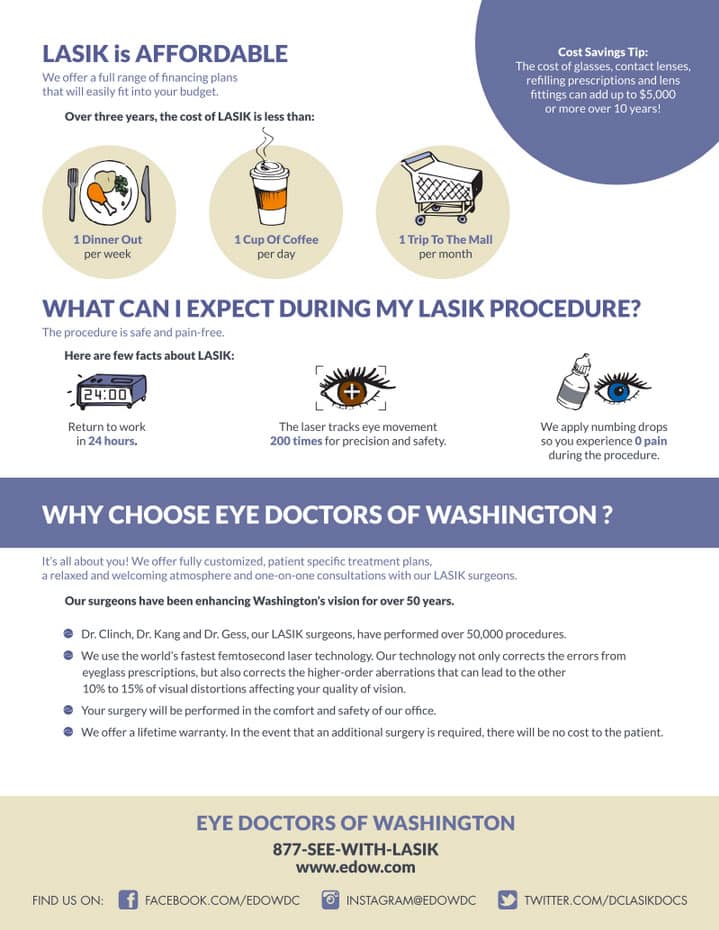
The price of lens replacement surgery can change significantly based on multiple factors, including the kind of lens selected, the surgeon's experience, and the technology used during the surgery. On average, patients can expect to pay anywhere from three thousand to five thousand dollars per eye. Advanced lens options, such as accommodating or enhanced depth of field lenses, are usually more high-priced but present additional benefits in correcting vision. Understanding these costs is crucial for making an educated decision about the operation.
For those anxious about the initial expenses, payment solutions are offered to help manage the expenses. Many surgical centers offer financing plans or payment arrangements that allow patients to pay for their surgery for lens replacement over time. Additionally, some surgeons provide all-inclusive pricing that includes consultations, surgery, and post-operative care, which can make budgeting easier. It is also advisable to verify if your medical insurance will provide coverage for any part of the procedure, particularly if it is considered essential for health.
Patients looking to access health savings accounts or flexible spending accounts (FSA) can often utilize these resources to cover their costs of lens replacement surgery. This can provide a tax savings, thereby making the operation more budget-friendly. It is wise for individuals to meet with a financial consultant or the surgical center’s billing department to explore all possible choices and ensure they make a budget-conscious selection for their vision correction needs.